Seasons in West Wood Remake
Westwood, Alberta is the joke and the design.
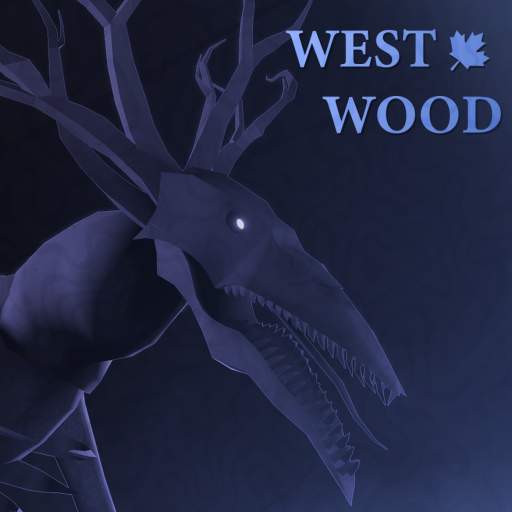
Westwood, Alberta is the joke and the design. A town this far from help should punish clothing choices, sprint addiction, and the belief that trees are decoration. The Remake inherits this geography and layers seasonal mechanics on top of it — each of the four seasons changes how you plan daylight routes, manage survival bars, and rotate through safehouses.
What the HUD is Trying to Tell You
The season sneak peek showed a circle for equipped medallion, then health, stamina, thirst, and hunger bars. Community writeups added hot and cold bars that appear during extreme weather. Watch these bars in relation to your current season — cold weather drains warmth, hot weather accelerates thirst, and both affect how quickly your stamina depletes.
Seasonal Routing Differences
Spring
Spring is the baseline season. Establish muscle memory for house numbers, key locations, and safehouse rotations. No extreme modifiers means spring is ideal for learning the map without environmental pressure. Use spring sessions to map landmarks, practice loot routes, and establish team callout patterns.
Summer
Shorter outdoor sprints, more water management. Stamina is the first thing summer steals — heat accelerates stamina drain during any physical activity. Plan supply runs earlier in the day before peak heat. Carry extra water and consider coffee for stamina regen rather than relying on sprint availability. Summer nights are marginally easier since heat does not drain warmth, but daytime loot runs demand earlier starts and stricter rationing of carried water.
Autumn
Variable weather introduces rain and fog. Rain makes footsteps quieter — both you and Jerry benefit from reduced audio detection. Use autumn rain as a looting opportunity rather than an inconvenience. Fog reduces visibility but does not appear to affect Jerry’s sensing range. Autumn is the transition season where daylight routes start compressing as nights grow longer, forcing earlier departures for distant objectives like the general store or dealer waypoints.
Winter
Cold weather is the extreme version. Chimneys and cooked food matter more. The blizzard event is the winter crisis — stay warm or freeze. Community reports confirm freeze rates were adjusted in the August 24 patch, making winter more survivable than initial beta builds. Still, winter demands preparation: cooked food ready before the blizzard starts, chimney access confirmed, and shelter rotation planned. Daylight is short in winter, which means contracts requiring distant travel may need to be deferred or skipped in favor of local objectives closer to your safehouse cluster.
Weather Events Layered on Seasons
Blood Moon on Any Season
Blood Moon does not cancel seasonal modifiers — it adds on top. Coffee first, contracts later. The Blood Moon creature variant deals increased damage and moves faster. During a Blood Moon, ignore optional objectives and focus on shelter rotation and stamina preservation. The risk meter climbs faster on Blood Moon nights, which means even routine actions like opening a door or picking up an item raise creature aggression more than equivalent actions on normal nights.
Blizzard
Stay inside, near a chimney, with food already cooked. Blizzard freeze rates were lowered in the August 24 patch. During a blizzard, you need warmth from a chimney or you will begin losing health. Do not attempt outdoor movement during blizzard conditions — wait for the event to pass or move between chimneys in covered structures. If you are caught outside when a blizzard starts, seek the nearest structure with a chimney immediately rather than attempting to complete an objective.
Rain
Quieter footsteps for everyone, including Jerry. Both you and Jerry benefit from reduced audio detection during rain. Use rain sessions for riskier loot routes since your footsteps are harder to track. However, rain does not mute voice chat or object interaction sounds. Rain also does not affect the creature’s visual detection range, so even in heavy rain you remain visible if you are in Jerry’s line of sight near a lit window.
Power Outage
Information dies during power outages. Cameras and headlamps become critical jobs. Town cameras go dark, meaning you lose external surveillance of routes and safehouse approaches. Assign a player with a headlamp as dedicated spotter during power outage nights. Without cameras, your squad must rely on audio cues and direct observation, which means splitting attention between watching entry points and managing other tasks like cooking or inventory sorting becomes risky. Designate one player as the dedicated listener during power outages — their role is to call out footsteps, door sounds, and any unusual audio cues without being distracted by other tasks.
Seasonal Badge Attempts
Certain badges become significantly harder or easier depending on season. Weather badges like How Melancholic require rain, which is most common in autumn. The McDuck coin badge requires holding ten thousand soul coins simultaneously, which demands a long safe run — winter’s shortened daylight makes those runs harder to execute without night falling mid-route. Plan badge grinds for spring and summer when daylight is generous and weather is more predictable. Save winter for local objectives near your safehouse cluster and for grinding shorter badge conditions that do not require extended outdoor exposure.
Frequently Asked Questions
Quick answers to the most common questions.
How many seasons are in the West Wood Remake?
Four: spring, summer, autumn, and winter.
Does weather affect Jerry behavior?
Weather affects audio detection for both players and Jerry.
What is the hardest season to survive?
Winter and blizzard conditions are most punishing.
Can Blood Moon happen in any season?
Yes — Blood Moon stacks on top of whatever season is active.
Do power outages happen in all seasons?
Yes, but they hit harder in winter.